
To address Australia’s engineering skills shortage, the University of the Sunshine Coast (UniSC) partnered with Risepoint to align curriculum with industry needs. Through a targeted engagement initiative involving 20 industry professionals, they gained clear insights into employer expectations. Findings highlighted the critical need for business acumen, commercial awareness, and technical problem-solving skills.
These insights directly informed course design, strengthening graduate job-readiness, improving employability, and ensuring UniSC’s engineering programs are meeting workforce demands.
Situation:
Australia has an engineering talent shortage. By 2030, Engineers Australia predicts the need for an additional 100,000 engineers to meet industry and governmental needs1.
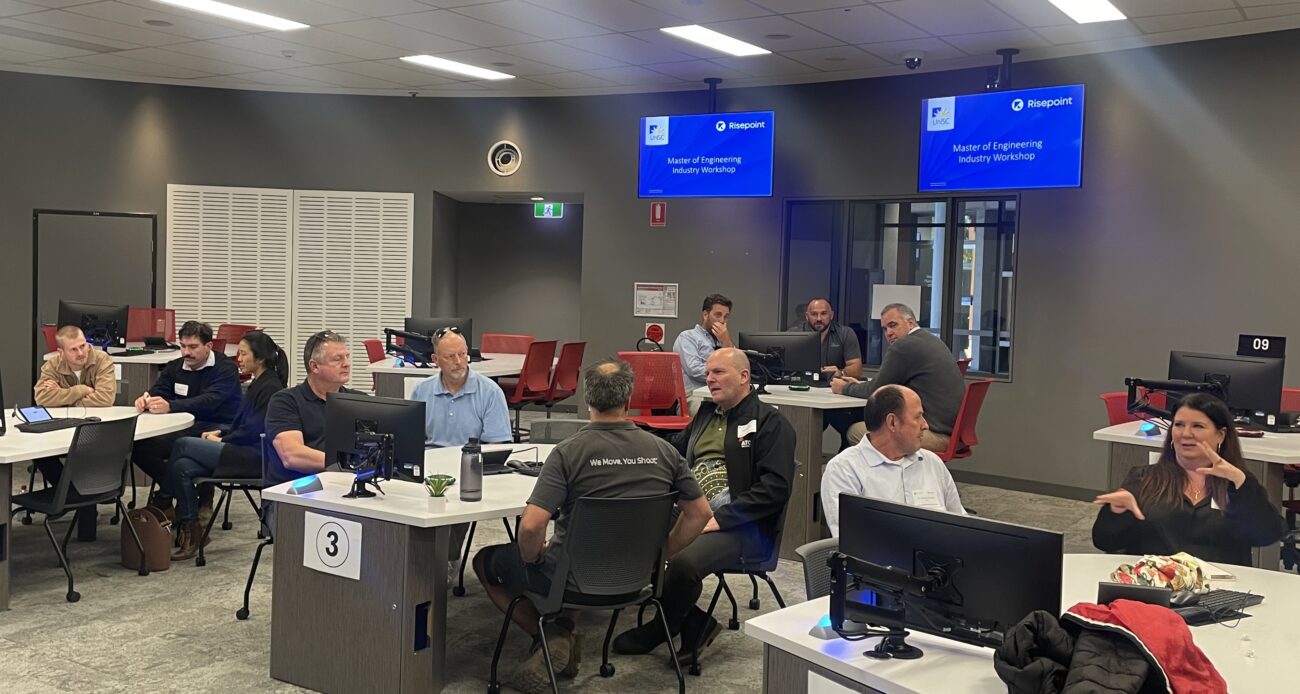
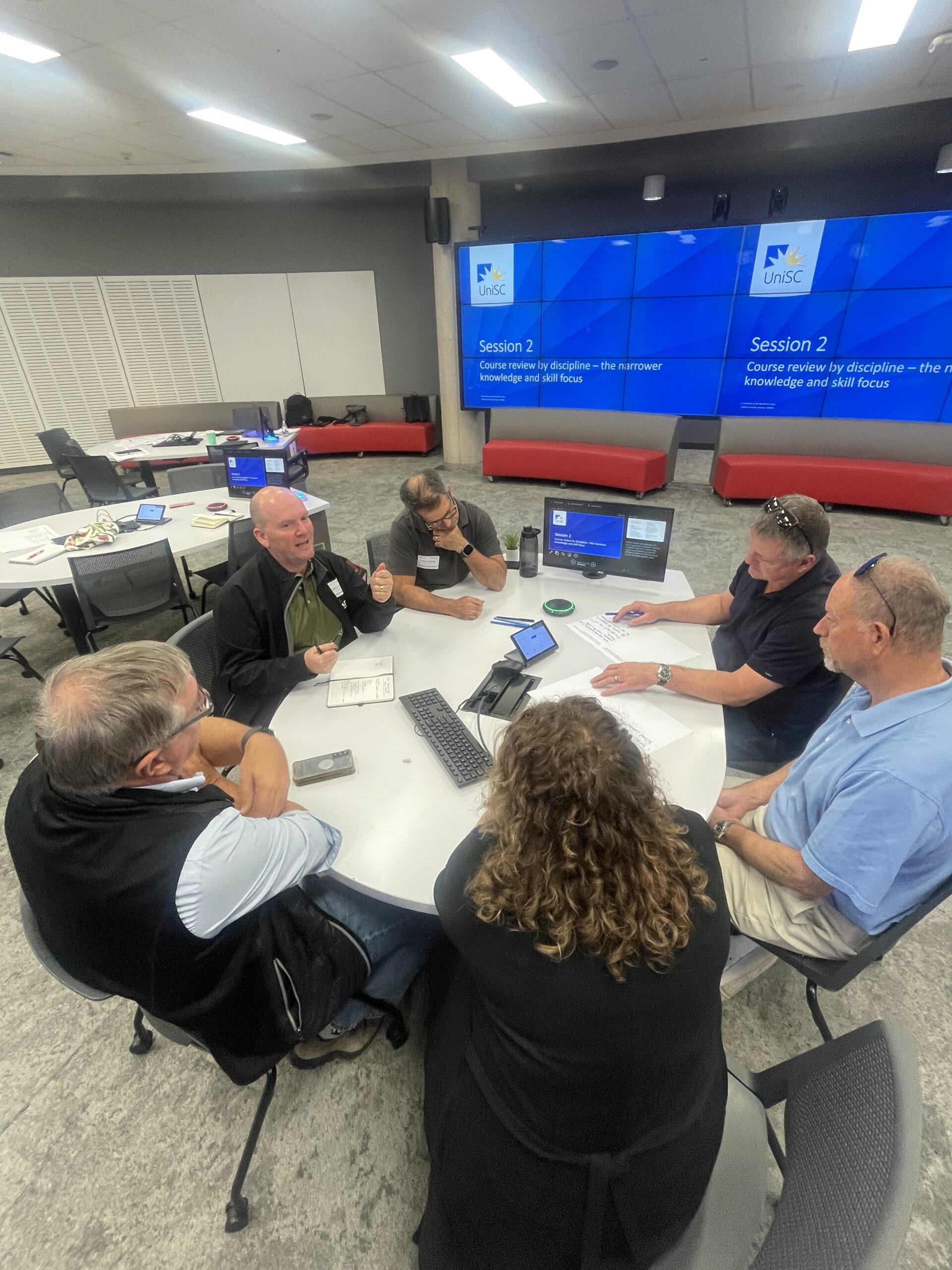
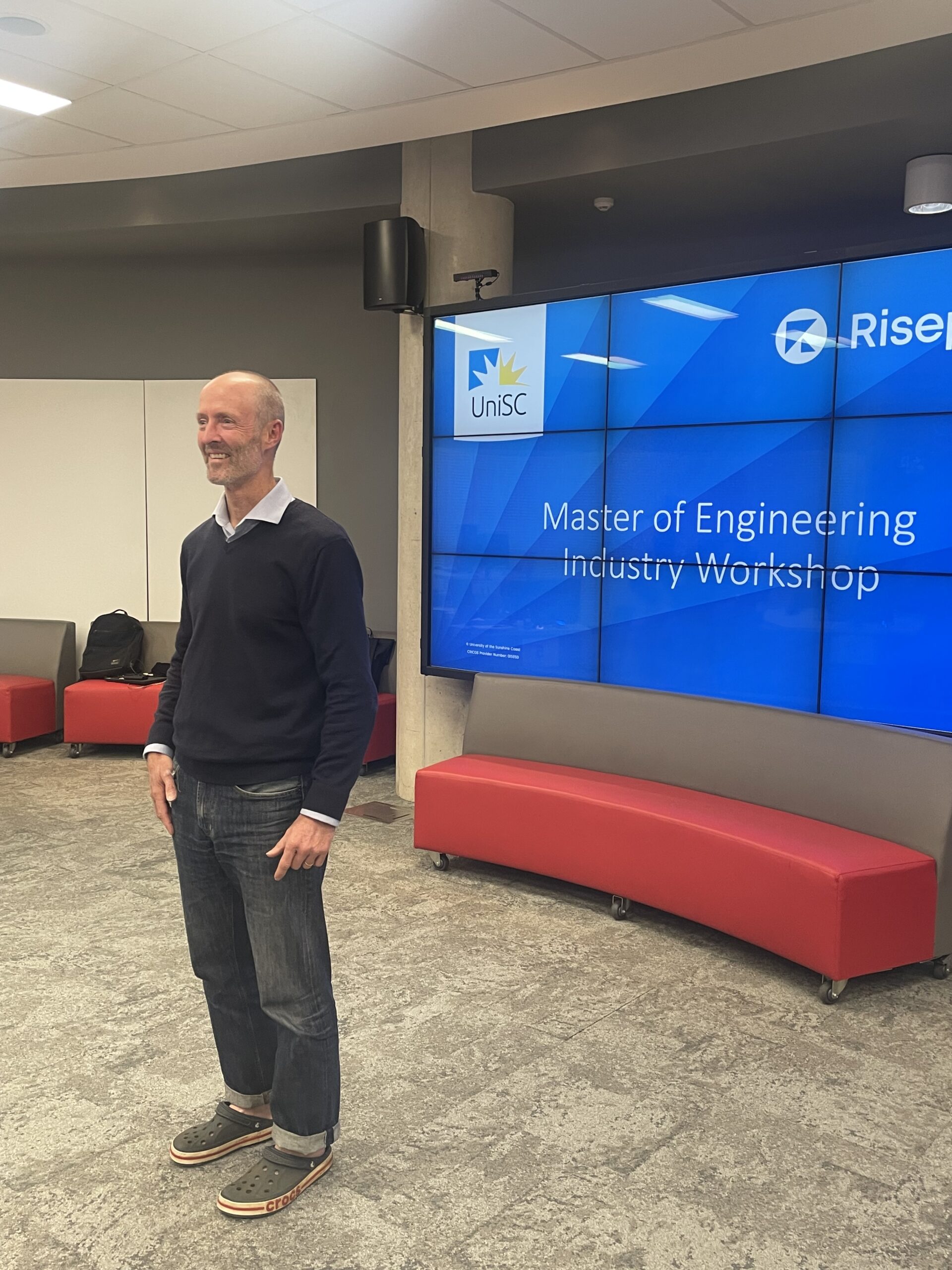
To ensure UniSC’s engineering graduates were equipped with the skills and capabilities most valued by employers, they teamed with Risepoint to launch a targeted industry engagement initiative.
The forum was designed as a curriculum‑mapping exercise rather than an advisory session, enabling industry participants to assess capability gaps against real workplace expectations. This ensured that insights were relevant to future graduates and the improvements to the curriculum aligned with industry needs.
What we found:
The need for workplace-relevant skills
There was a consistent message from all industry contacts that graduates with strong business acumen and commercial awareness were highly valued.
This sentiment echoed 2025 findings, with 66% of employers reporting that many new hires were not job-ready and cited insufficient workplace experience as the most common failing.2


This feedback confirms that while technical expertise is essential, employers place equal importance on collaboration, communication, and relationship management.
To reflect this need, UniSC strengthened its focus on industry-relevant business acumen by embedding courses such as Engineering Contracts and Procurements (ENG601) into the Master of Engineering Project Management, enabling graduates to develop practical skills in commercial decision-making, client management, and project delivery.
The importance of sustainable practices
Participants noted the vital need for sustainable practices, especially as technologies improve and innovations such as AI become more common in the workplace.
“The demand for graduates who can understand and apply sustainability principles across systems… is significant and growing. Embedding some of these elements would go a long way in preparing students for the realities of professional practice.”
Tom Borchardt, RPS Consulting
This feedback reinforced the need to embed sustainability and systems thinking more explicitly across engineering subjects, particularly in project‑based and capstone units.
In response, UniSC reinforced the integration of sustainable practices across its engineering suite, prioritising technical operations, strategic-thinking skills, and environmentally responsible technologies.
For example, the Master of Renewable Energy Engineering was designed to develop graduates’ practical capabilities in renewable energy, systems management, and digital communication. These skills are directly aligned with roles in renewable energy, research and development, and energy infrastructure.
Why online learning is changing the way we learn
During the forum, experts reinforced the importance of context-based and interpersonal learning, but interestingly, there was strong support for online models of learning, especially fully online programs. Participants noted that online learning can effectively develop technical and collaborative skills if it is scaffolded through simulations, authentic case studies, and project-based assessment.
“Graduates need to understand the tools, know how to apply them and build a rock-solid technical foundation — even online.”
Dominic Vrolijks, Sunshine Coast Maker Space
This feedback validated UniSC’s move toward fully online delivery and informed platform‑level curriculum design. In response, UniSC adapted its engineering programs to support flexible, high‑quality online learning experiences that prioritise project-assessment, accessibility, and learner engagement.
The changes support working professionals and employers seeking to upskill staff without disrupting work commitments, while expanding access to engineering education for learners who may be unable to participate in traditional on‑campus study.
How AI is shaping the industry
AI and its practical application in the workforce emerged as a consistent theme across industry discussions. The consensus was that while AI has clear strengths and limitations, graduates are often differentiated by their ability to apply it strategically.


Beyond technical ability, employers want graduates who can evaluate, interpret and integrate technologies within complex systems. This insight highlighted the importance of teaching AI within applied, problem‑based contexts rather than as a standalone technical skill.
“You can’t learn how to think critically from a machine… We need future engineers who combine new technologies with practical judgement.”
Jenny Gough, GHD
In response, UniSC integrated AI concepts across its engineering curriculum through applied, problem‑based learning, embedding emerging technologies within authentic engineering scenarios rather than teaching them in isolation. This approach ensured graduates developed the critical judgement, systems awareness, and strategic thinking required to apply AI effectively in professional practice.
The impact on learners:
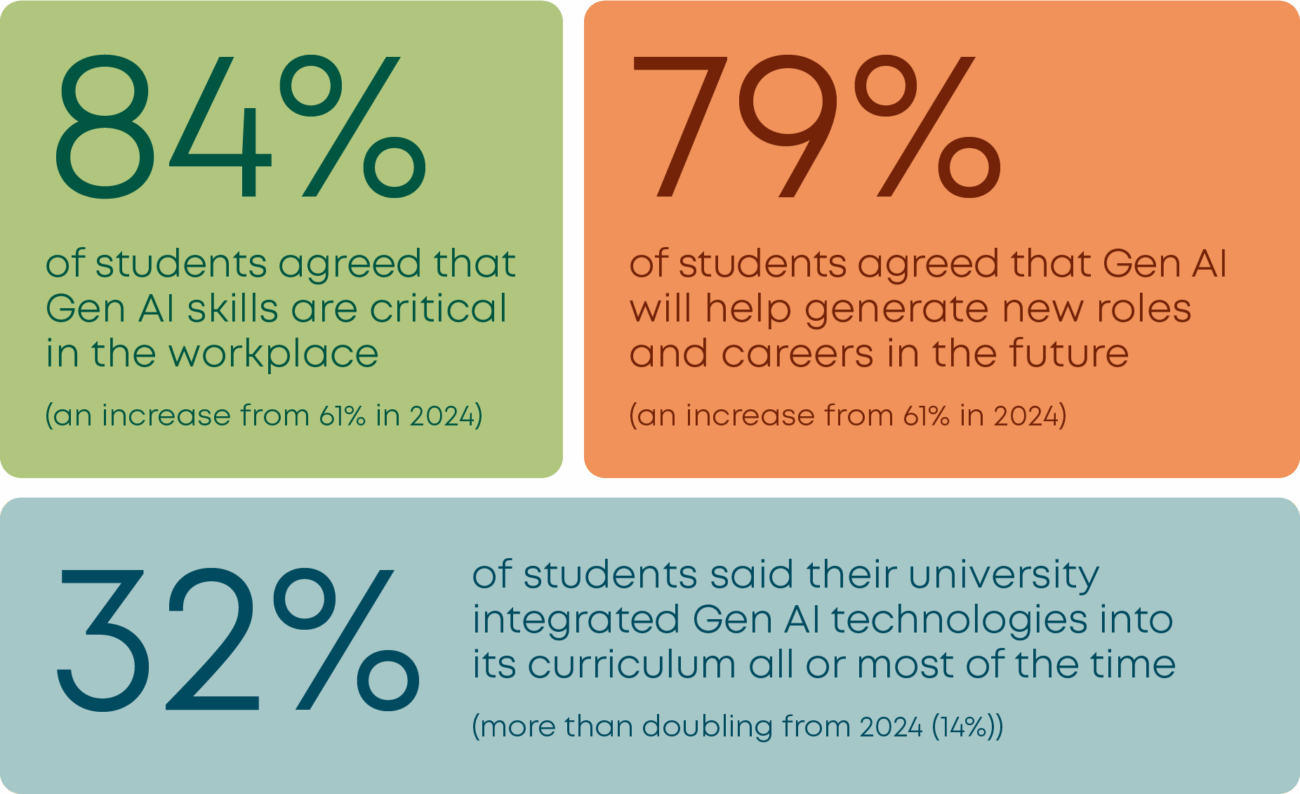
Following curriculum enhancements informed by industry engagement, Risepoint tracked learner perceptions and outcomes across its online programs. Comparative data from 2024–2025 highlights a positive shift in learner confidence, perceived value, and alignment with workforce expectations. These findings were collected from the Risepoint Voice of the Online Learner report3, which details the shifting attitudes toward online learning.
Gen AI readiness and future skills
Career confidence and employability, and the value of online learning
- 60% of students believe they can get a promotion with a 4-subject graduate certificate (an increase from 43% in 2024)
- 84% of graduates agreed that their online degree is significant in helping them achieve career goals (up from 76% in 2024)
- 88% of students agreed that studying online was worth their time (up from 79% in 2024)
- 76% of students believed that their online program is worth the cost (compared to 66% in 2024)
Learner experience
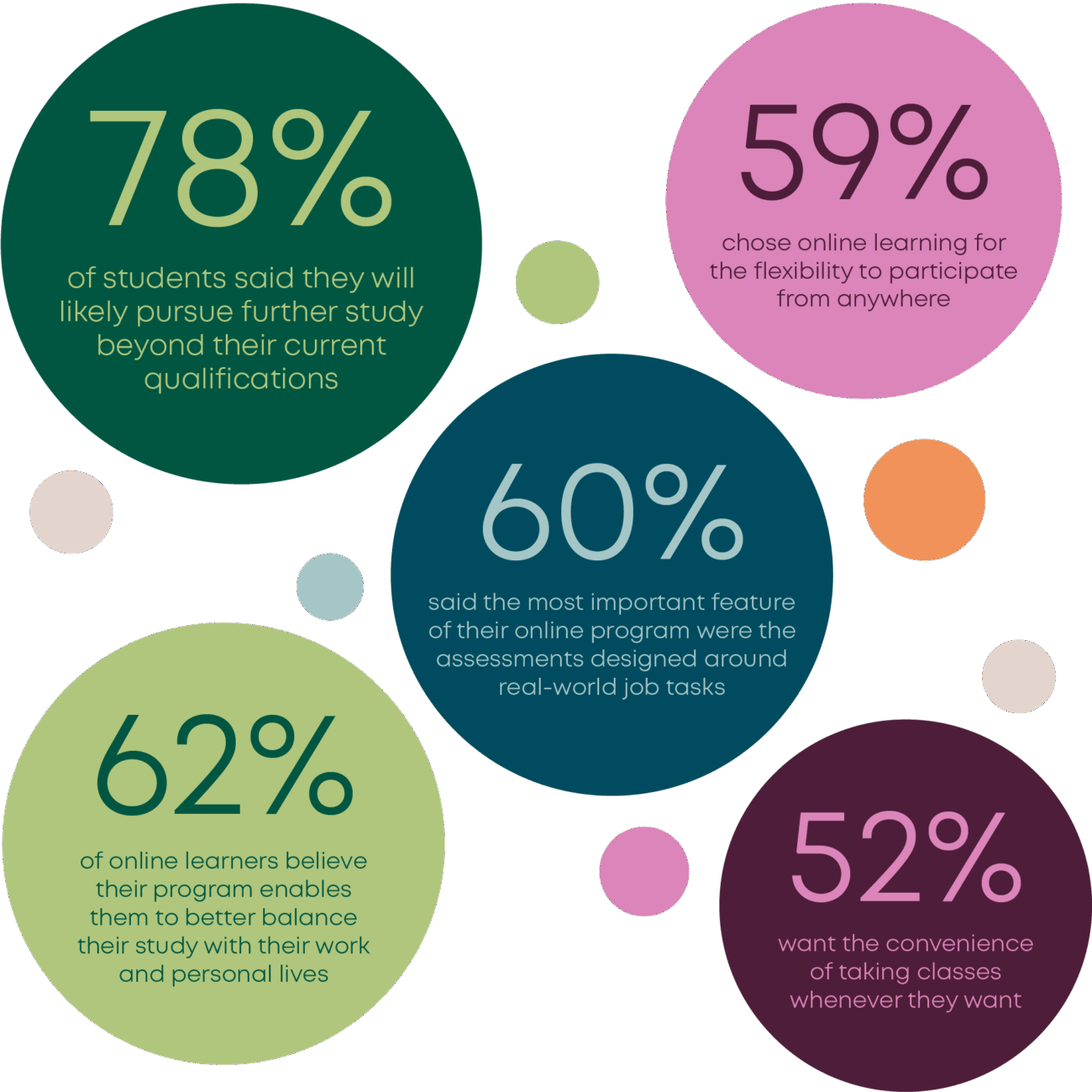
Together, these results indicate increased learner confidence in employability outcomes, stronger perceived value of online learning, and growing alignment between curriculum design and emerging workforce needs, particularly in relation to applied AI and real‑world assessment.
References:
1Mallon, D., Cantrell, S., & Forsythe, J. (2025). Closing the experience gap. Deloitte Insights. https://www.deloitte.com/us/en/insights/topics/talent/human-capital-trends/2025/closing-the-experience-gap-through-talent-development.html
2Engineers Australia (2023). Hard to hit net zero with a shrinking number of engineers.
https://www.engineersaustralia.org.au/news-and-media/2023/10/hard-hit-net-zero-shrinking-number-engineers
3Risepoint (2026). 2025 Voice of the online learner: Australia edition. https://risepoint.com.au/insights/2025-voice-of-the-online-learner-australia-edition/